4M+ tested
12 languages
4.4 Trustpilot
since 2011
No hidden fees

IQ Test with Free Results

  • ~ 20 min.
  • 30 questions
  • 9.4 / 10
Our IQ test developed and used by professionals for the primary assessment of intelligence in different countries, with free results provided.
Before starting the test, make sure that:
  • nothing will distract you for the next 20-30 minutes
  • you are in a stable psychological and physical state
  • your level of concentration and attention will allow you to pass the test
Start test

Your free IQ result includes

See your basic result as soon as you finish. No email, payment card, or subscription is required.

IQ score

An online estimate on the standard IQ scale, where 100 is average.

Percentile

How your result compares with the WorldIQTest adult comparison sample.

Completion time

The time recorded during your test session, shown alongside your result.

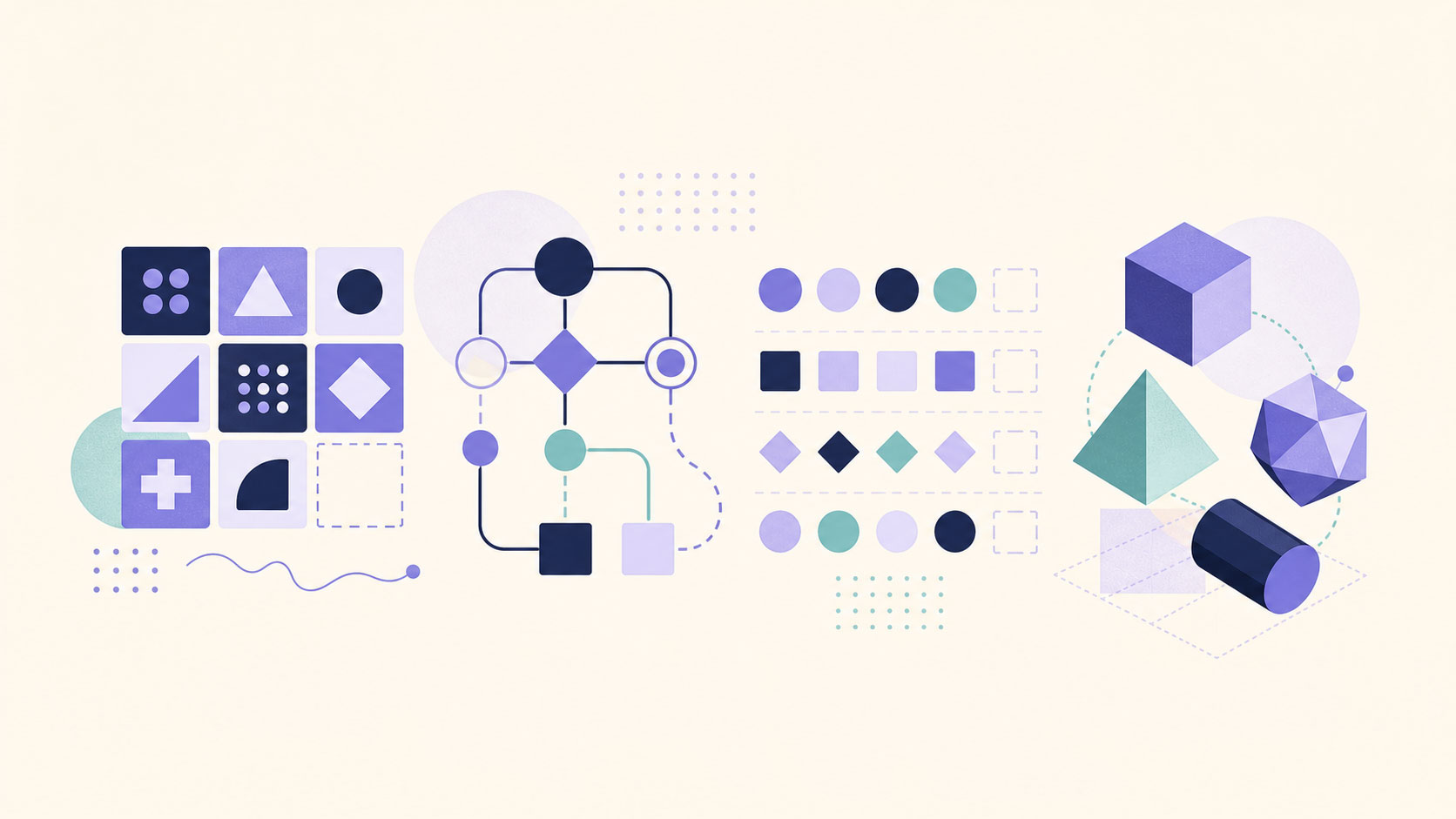
Four culture-fair reasoning domains

Abstract illustration of pattern, logic, numerical, and spatial reasoning

The adult test does not use verbal or language-based questions. It is designed to reduce language bias for people taking the test around the world.

Abstract reasoning

Identifying visual patterns, relationships, and rules in unfamiliar information.

Logical reasoning

Applying rules, drawing conclusions, and solving new logic problems.

Numerical reasoning

Identifying number patterns and applying numerical logic.

Spatial reasoning

Understanding shapes, transformations, and spatial relationships.

Explore the types of IQ questions we use

Built for useful online insight

Illustration of balanced global reasoning comparison

Your result reflects the answers you give, the difficulty of the questions, and the time taken to complete them. Results are compared with quality-filtered, first-attempt adult test data and scored on a standard scale with an average of 100 and a standard deviation of 15.

There is no strict time limit. However, unusually fast or slow completion can affect score quality and is considered in the scoring model.

This test is an online estimate for personal insight—not a clinical assessment. It should not be used for diagnosis, school placement, employment decisions, or Mensa qualification.

Built for fairer global comparison: the initial adult norming study included 1,400 participants aged 18–65 from more than 25 countries. The test uses non-verbal, culture-fair reasoning tasks designed for an international audience.

A culture-fair, non-verbal approach

WorldIQTest is designed to reduce dependence on language, vocabulary, and learned knowledge. It estimates fluid reasoning and related non-verbal abilities; it does not measure creativity, emotional intelligence, personality, motivation, practical judgment, academic knowledge, or every ability covered in a clinical psychological evaluation. Sleep, anxiety, distractions, device conditions, language background, and familiarity with similar questions can influence an online result.

What does an IQ score mean?

IQ scores are reported on a standard scale where 100 is average. A percentile shows the percentage of people in the comparison sample who scored at or below your result.

How to read the IQ score table

An IQ score is not a percentage of correct answers. It is a comparison score: it shows how your performance on this reasoning test compares with the adult comparison sample. For example, a result at the 91st percentile means that the score is at or above the scores of about 91 out of 100 people in that comparison group.

IQ scores are commonly shown on a bell curve. The center of the curve is 100, so scores close to 100 are the most common. Scores become less common as they move farther above or below the average. On this standard scale, roughly two-thirds of results fall between 85 and 115.

An IQ score is one piece of information, not a prediction of your future. It does not measure creativity, emotional intelligence, character, motivation, practical judgment, relationships, health, opportunity, or every skill that can shape a meaningful and successful life.

IQ scoreApproximate percentileComparison
130 and above98th and aboveAbout 2%
120–12991st–97thAbout 6%
110–11975th–90thAbout 16%
90–10925th–74thAbout 52%
80–899th–24thAbout 16%
70–792nd–8thAbout 6%
69 and belowBelow the 2ndAbout 2%

A score describes performance on this reasoning test; it does not define your potential, worth, creativity, personality, or every aspect of intelligence. See the full IQ score chart and percentile guide.

Culture-Fair IQ Test: Research and Methodology

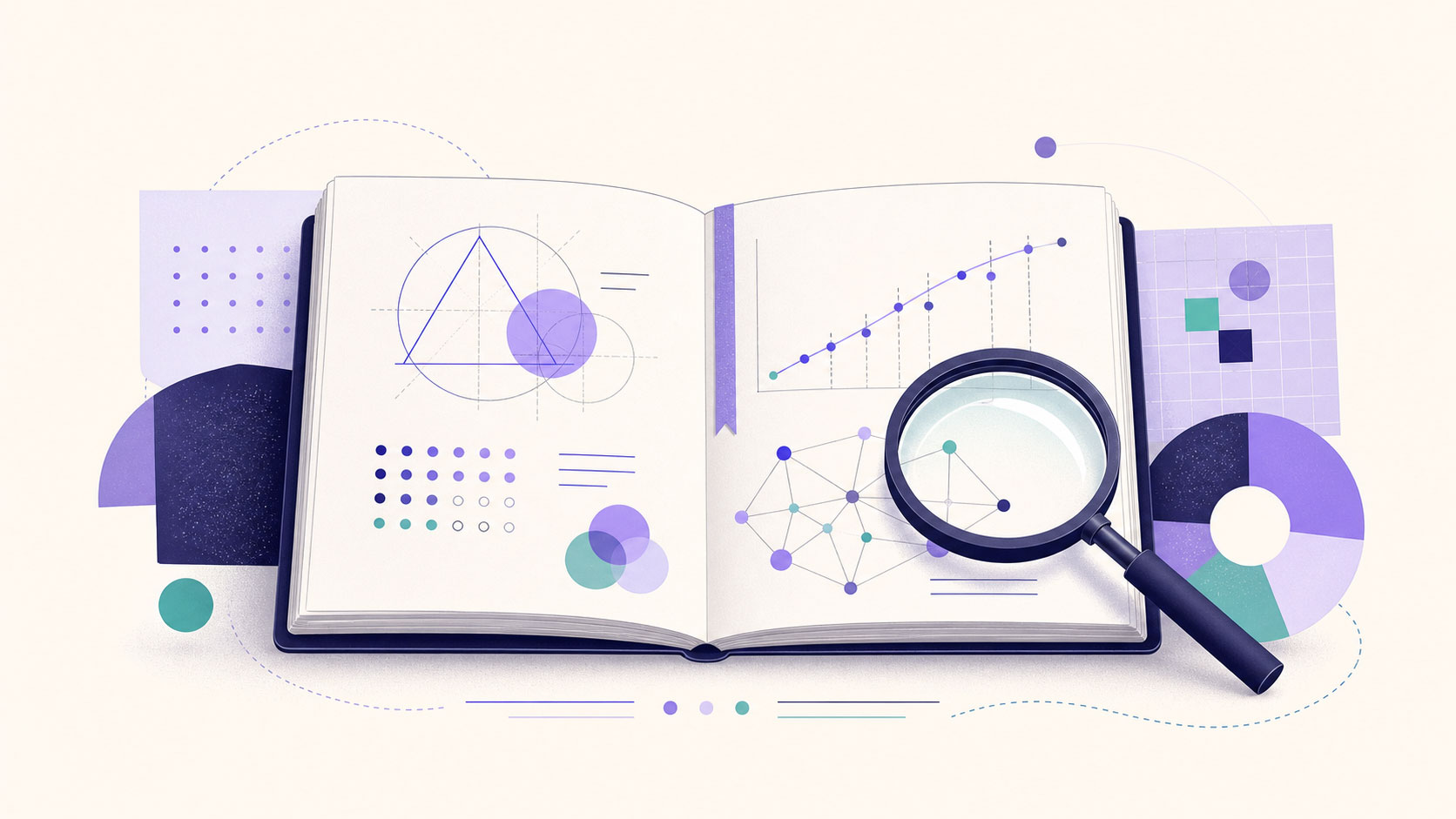
Illustration of research and methodology for a culture-fair reasoning assessment

WorldIQTest uses non-verbal visual, logical, numerical, and spatial questions because language-heavy tests can be influenced by vocabulary, education, and familiarity with a particular test language. This approach helps reduce those barriers for people taking the test around the world.

Our goal is to make comparison more meaningful across different languages, educational experiences, and backgrounds. A person should not be disadvantaged simply because a word, school-based reference, or culturally familiar concept in a question is unfamiliar to them. By focusing on novel visual and logic tasks, the test aims to place greater weight on reasoning than on learned verbal knowledge.

Our methodology is informed by research on fluid reasoning, non-verbal assessment, and responsible technology-based testing. No assessment is completely culture-free, so we describe WorldIQTest as culture-fair: designed to reduce language bias, not eliminate every cultural, educational, economic, or test-condition effect.

The sources below explain the principles behind our approach; they do not independently validate WorldIQTest or replace a professional assessment.

WorldIQTest is independent and is not affiliated with or endorsed by these organizations or publications.

Read about our methodology and scoring

Frequently asked questions

What is an IQ test?

An IQ test is a set of standardized reasoning tasks that compares a person’s performance with a relevant comparison group. Different tests measure different abilities, so no single test captures every aspect of intelligence.

How can I check my IQ for free?

You can take this free online reasoning test and see your IQ score, percentile, and completion time after you finish. No payment is required for the basic result.

How can I check my IQ level at home?

Take the test in a quiet place on a computer, tablet, or phone. Complete it in one sitting, without outside help, for the most useful online estimate.

Can ChatGPT tell you your IQ?

No. A chat conversation is not a standardized assessment with controlled questions, scoring, and a comparison sample. AI can explain IQ concepts or create practice questions, but it cannot validly measure your IQ from conversation alone.

What is a normal IQ range?

On a standard scale, 100 is the average. About two-thirds of people score between 85 and 115. Scores can vary between tests and testing days.

What is average IQ?

The average is set at 100 on a standard IQ scale. That does not mean every person has the same abilities; a score summarizes performance on a specific set of tasks.

Is an IQ of 120 high?

On a standard IQ scale with an average of 100 and a standard deviation of 15, 120 is above average and is approximately the 91st percentile. See the score table above for context.

What is a normal IQ for a 70-year-old?

A properly age-normed IQ scale is centered at 100 within the relevant comparison group. World IQ Test’s adult comparison sample covers ages 18–65, so it should not be used to make age-normed conclusions for a 70-year-old.

What are the signs of a high IQ?

There is no reliable checklist that identifies someone’s IQ. Curiosity, learning quickly, strong reasoning, or a large vocabulary can appear in many people, but none proves a particular IQ score. The only way to obtain a score is through an appropriate assessment.

What are the habits of highly intelligent people?

There is no required set of habits. Curiosity, reflective thinking, persistence, and a willingness to revise an opinion can support learning, but they are not proof of any particular IQ.

What do high-IQ people have in common?

People with similar scores can have very different personalities, backgrounds, interests, and strengths. A score does not create one shared identity or way of living.

What personality type tends to have the highest IQ?

No personality type can reliably predict IQ. Personality questionnaires and cognitive assessments measure different constructs, and there is substantial variation within every personality group.

How can you tell if someone is intelligent?

You cannot accurately determine someone’s intelligence from appearance, conversation style, education, or a single behavior. People show strengths in different ways and different settings.

Do smart people have a higher vocabulary?

Vocabulary is shaped by education, reading, profession, language exposure, and culture. It can relate to verbal knowledge, but it cannot by itself establish how intelligent someone is.

What is the strongest indicator of intelligence?

There is no single everyday sign. Well-designed assessments use multiple tasks because performance depends on the ability being measured, testing conditions, and the comparison group.

What makes one person smarter than another?

Cognitive performance is shaped by many factors, including genetics, development, education, health, environment, experience, and opportunity. It is not explained by one trait or one score.

What are physical signs of high IQ?

There are no reliable physical signs of high IQ. Claims that appearance, body language, or facial features reveal intelligence are not a valid way to assess a person.

How is the score calculated?

Scoring considers answer accuracy, question difficulty, and completion time, then compares the result with quality-filtered first-attempt adult data.

Why does completion time matter?

Completion time is an efficiency signal considered alongside accuracy and question difficulty. It is not a separate intelligence domain.

Is the test culture-fair?

The test uses non-verbal visual and logic tasks designed to reduce language bias. No assessment can remove every cultural, educational, or testing-condition effect.

Can I retake the test?

Yes. However, repeat attempts do not contribute to norming or calibration because familiarity with questions can affect a later result.

Is this a clinical IQ test?

No. It is an online estimate for personal insight, not a clinical or professionally supervised assessment.

Can children take the adult test?

The adult comparison sample covers ages 18–65. For children ages 8–16, use our educational reasoning activity, which is not professionally normed or diagnostic.

What is the Flynn effect in simple terms?

The Flynn effect describes the long-term rise in average scores on some intelligence tests observed across many populations during parts of the twentieth century. Because test populations change over time, IQ tests need periodically updated norms.

Start test